A shopper lands on your store's guide to choosing a travel bag. They read three useful paragraphs about opening styles, laptop access, and awkward airline storage before noticing your backpack. By then, they understand the buying problem well enough to judge the product.
That's the balance a good advertorial needs. The information must be useful without the purchase, and the product must make sense because of that information. Push the offer too early and you've written a sales page wearing an article's clothes. Hide it too far down and readers leave without understanding what you sell.
For a Shopify merchant, the practical question isn't whether an advertorial looks like journalism. It's whether the page answers the questions that stop someone buying, while making its commercial purpose clear.
Practical rule: Delay the product pitch if the reader needs context. Don't delay disclosure of who's paying for, publishing, or benefiting from the article.
These advertorial examples cover six editorial formats, alongside Landra as a production tool. Each gives you something concrete to compare: the editorial move that earns attention, the point where education becomes a pitch, and the Shopify execution you can copy. Choose according to your traffic and buying problem, not whichever layout looks most like a magazine.
Table of Contents
- 1. Landra
- 2. Long-Copy Print Advertorial
- 3. Native Sponsored Article on Publisher Sites
- 4. Branded Storytelling Series
- 5. Problem-Solution Pre-Sell Page
- 6. Shopify Blog Advertorial
- 7. Sponsored Review and Comparison Advertorial
- How each advertorial format compares on goal, audience stage, disclosure, and main trade-off
- Turning These Advertorial Examples Into Your Next Store Post
1. Landra
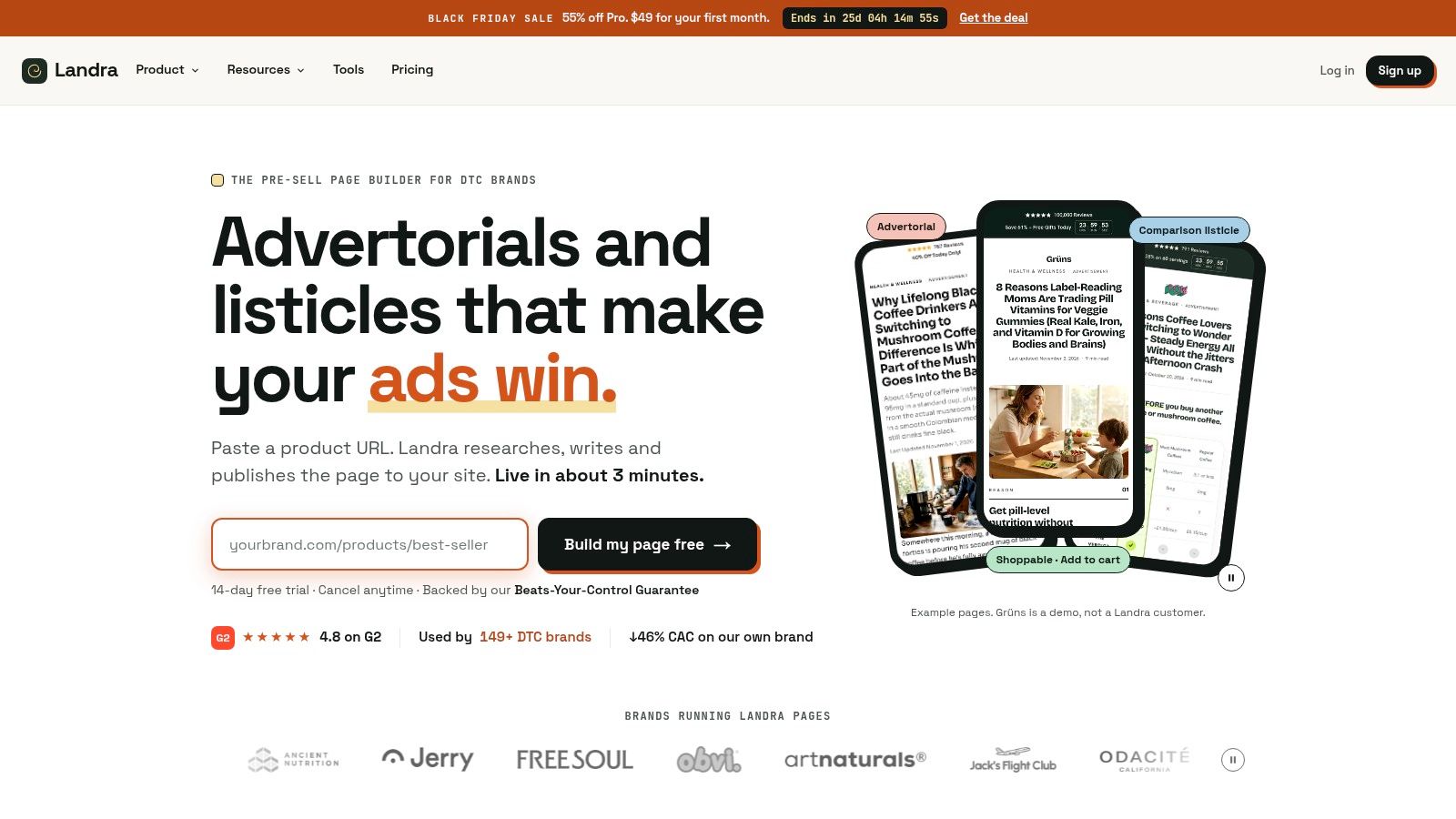
Landra is a production tool rather than a distinct advertorial format. It generates editable pre-sell pages from a product or brand URL, making it relevant when you know what you sell but need help turning the product information into a readable acquisition page.
Landra's AI advertorial generator supports narrative advertorials, listicles, and pre-sell pages. Its workflow analyzes the brand's website, then provides a draft you can edit and publish through options including Shopify, a hosted URL, Webflow, and HTML export.
The editorial move is reframing product information around a buying question. A list of backpack specifications becomes an explanation of why some bags are inconvenient during a commute. The pitch begins when the article connects those buying criteria to the featured backpack.
Where It Helps and Where You Still Need Judgment
The useful distinction from a generic page builder is the starting point. Rather than assembling an empty layout, you're reviewing a structured draft informed by your brand's existing content.
- For copy iteration: Inline editing and AI section rewriting let you change the opening, explanation, and product transition without rebuilding the page.
- For creative testing: Headline options, hero templates, and page duplication support different audience angles.
- For implementation: Mobile-first layouts and multiple publishing outputs help teams work within their existing store setup.
Say you sell refillable cleaning products. Build an opening about the inconvenience of storing replacement bottles, explain how refill systems differ, then introduce your product at the point where the reader understands the trade-off. Don't let the draft turn an ingredient description into an unsupported safety or environmental claim.
The trade-off is speed versus editorial responsibility. A generated page can organize information, but it can't make an unverified testimonial genuine or establish that your product outperforms an alternative. Review claims, image captions, disclosures, and the destination of every purchase button.
I'd choose Landra for a DTC team that needs dedicated paid-traffic pages and wants control over copy and layout without starting from scratch. I wouldn't add it merely to produce a longer version of an already effective product page.
Copy this tactic: Generate a problem-led draft, then rewrite the opening using actual customer questions. Keep the product reveal only where the explanation has established a credible reason to consider it.
2. Long-Copy Print Advertorial
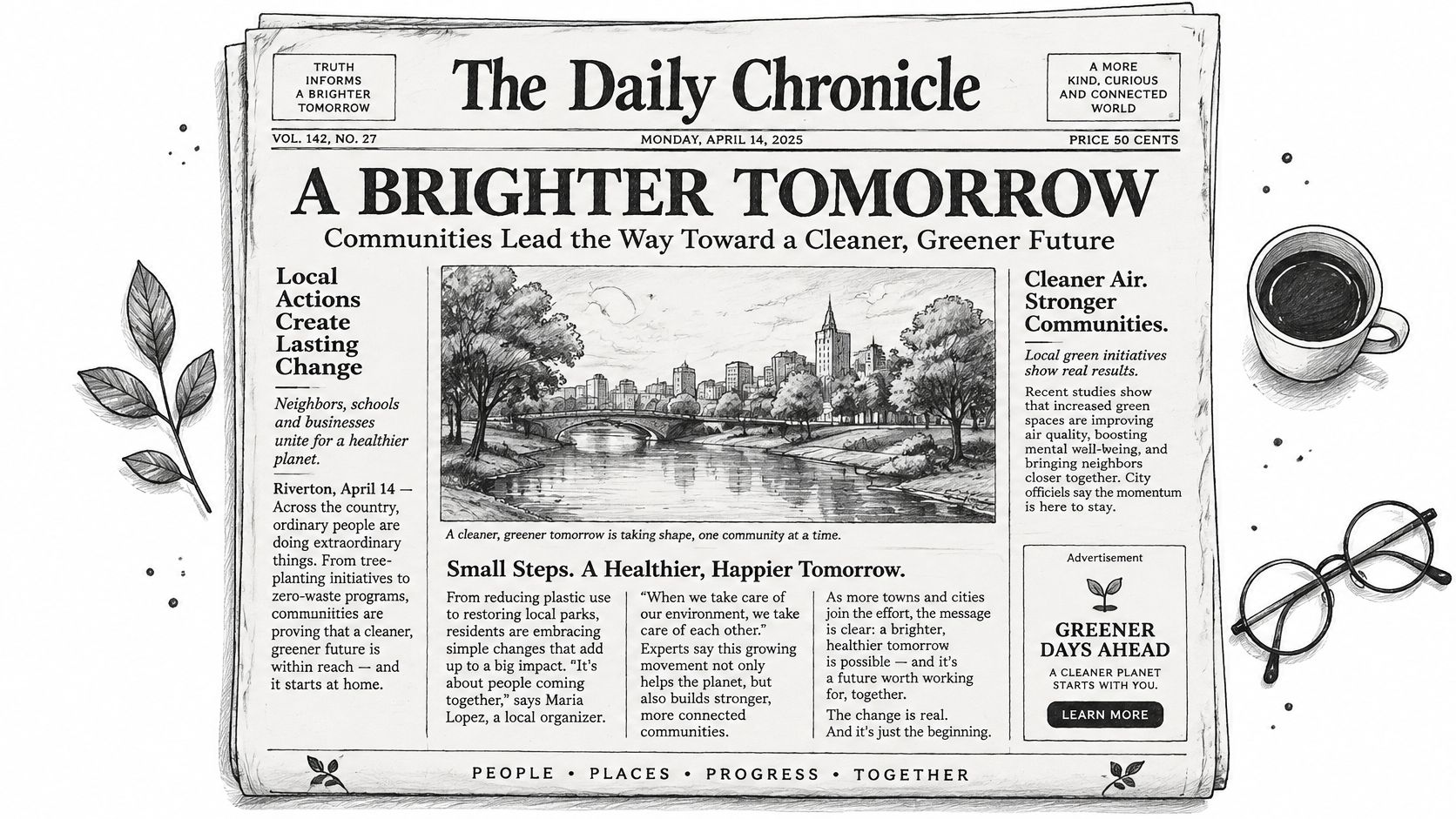
A long-copy print advertorial earns attention through a strong headline and sustained explanation, not through the novelty of its layout. Subheads, demonstrations, and detailed answers give a skeptical reader reasons to continue.
A historical example is the American Iron and Steel Institute's funded series in The Atlantic, described in the academic review published by Technology Science as prominently labeled “An Atlantic Public Interest Advertisement.” The useful lesson is the combination of editorial-style explanation and a visible commercial identity, not permission to disguise advertising as independent reporting.
The editorial move is depth. Instead of asserting that a product is better, the advertiser explains the mechanism, demonstrates its use, and answers objections. The pitch begins when that general explanation becomes a case for the sponsor's particular offer.
Translate the Structure, Not the Newspaper Costume
Say you sell adjustable desk lamps. Open with the practical difficulty of lighting a workspace without glare, explain placement and adjustability, then demonstrate how your lamp handles those requirements.
Your Shopify version could use:
- A question-led headline: Address the reader's task rather than announcing your product.
- A visible demonstration: Show the adjustment mechanism and the resulting light position.
- A focused next step: Link to the relevant lamp, not a broad collection that restarts the shopping process.
Long copy is useful when buyers need explanation. It becomes tedious when each section repeats the same benefit with different adjectives. Cut any paragraph that adds neither understanding nor evidence.
Length isn't proof of substance. Keep a paragraph because it resolves a buying question, not because long-copy advertising is supposed to be long.
Print also limits the direct behavioral tracking available on a digital page. A dedicated destination or campaign code can help attribute response, but don't confuse that with observing the entire reading journey.
Best fit: A technically differentiated product, unfamiliar mechanism, or purchase with meaningful objections. Reuse the explanation on a landing page, but preserve readable typography and clear disclosure rather than copying cramped print columns.
3. Native Sponsored Article on Publisher Sites
A publisher-hosted sponsored article puts your explanation in front of someone who came to read, not necessarily to shop. That changes the brief: the topic must fit the publication's audience before it fits your product.
A homeware merchant might sponsor a practical feature about furnishing an awkward rental kitchen. Useful advice about storage, access, and removable fittings earns attention; a generic company profile doesn't offer the same reason to read.
The pitch begins when the feature moves from category advice to a named product, brand recommendation, or shopping link. That transition should be explicit, and the sponsorship should already be clear.
Compare the Distribution, Not Just the Article
An INMA native-content case study reported 24 times more readers and 17-times longer average dwell time for an advertorial than a standard PR article on the same publishing platform. Those are campaign-specific comparisons, not a forecast for your placement.
The actionable point is to evaluate the entire package. A well-written article needs a relevant teaser, suitable placement, and an appropriate next page.
Before commissioning the feature, establish:
- Audience fit: Ask which reader problem the article will address and where those readers will encounter it.
- Distribution scope: Distinguish publication from newsletter, homepage, and social promotion.
- Reporting access: Agree on the engagement and outbound-click information you'll receive.
- Destination continuity: Send readers to a page that continues the article's topic.
A publisher's name doesn't compensate for a weak connection between audience and offer. Nor should you assume the publication's editorial staff endorses the product because its commercial team produced the feature.
For Shopify, create a dedicated destination that answers the next buying question. A kitchen-storage feature should lead to the demonstrated storage solution, with dimensions and installation details immediately available.
Best fit: A brand with a useful category story and a publisher whose audience needs it. Choose an owned pre-sell page instead when tight control over testing matters more than access to that publication's readers.
4. Branded Storytelling Series
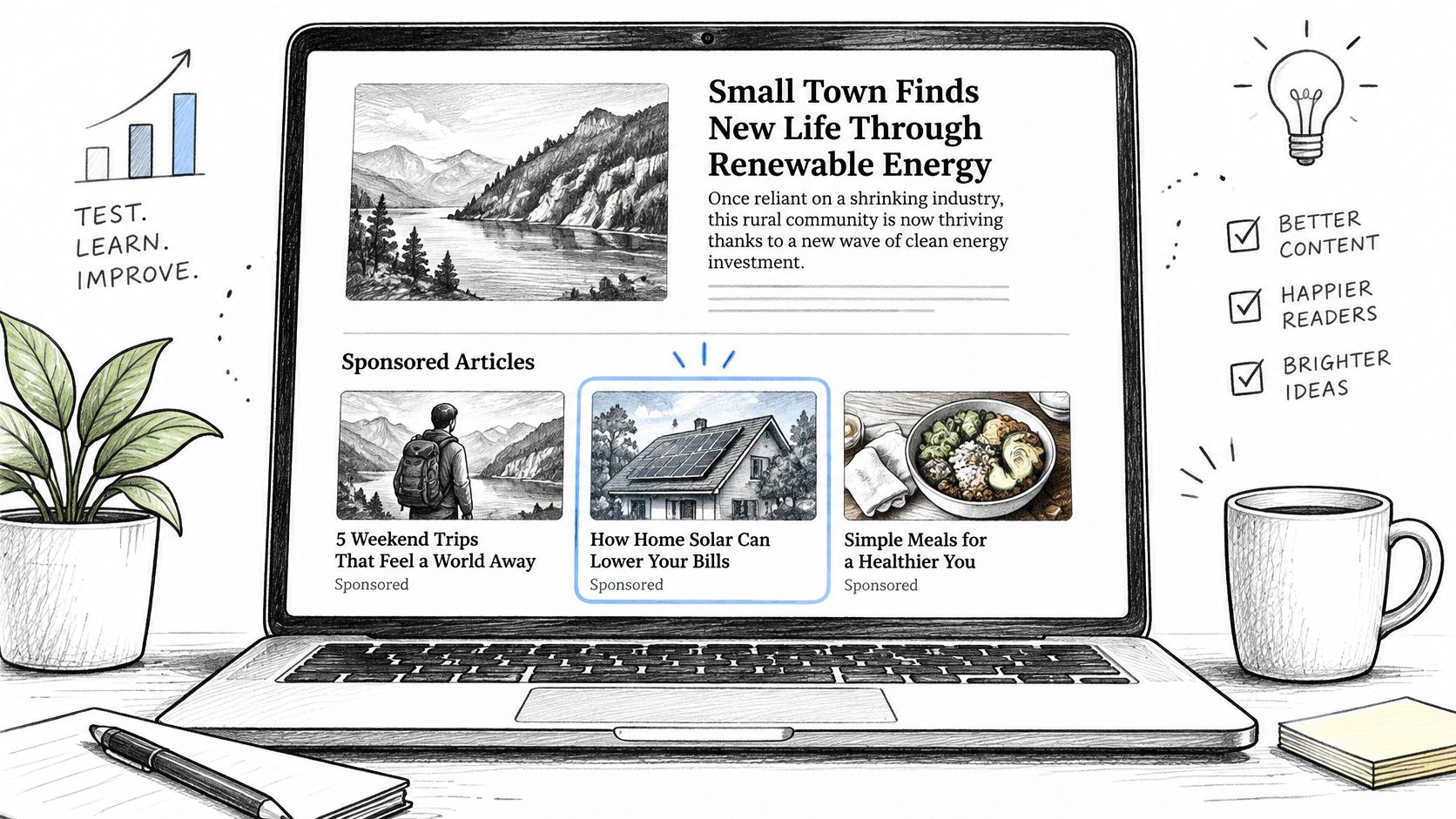
A repairable luggage brand has more to explain than a product launch can comfortably hold. It can show how a wheel assembly works, document a repair, and explain which damaged parts a customer can replace.
That material suits a branded storytelling series. Each installment answers a distinct question, while the wider collection demonstrates the brand's priorities through observable decisions.
The editorial move is continuing access. Readers see the product's development, use, or maintenance rather than receiving a polished claim about quality. The pitch begins when a documented design choice becomes a reason to buy the brand's luggage.
Build Episodes Around Customer Decisions
Start with subjects that matter after the founder's introduction. A story about choosing a replaceable component is useful because the reader can assess it; a vague declaration of craftsmanship is much harder to evaluate.
A practical series might include:
- Design decisions: Explain why the team chose a component and what it sacrificed.
- Use and maintenance: Demonstrate care or repair with clearly photographed steps.
- Product selection: Help shoppers decide which design suits their actual travel needs.
Publish the series in your Shopify blog, connect related installments, and link to products only where they illustrate the subject. Give each article a complete answer so someone arriving from search doesn't need to start at the beginning.
The main trade-off is production commitment. Photography, interviews, and demonstrations require preparation, and the commercial return may be less immediate than on a purchase-focused page. Don't choose this format if your only available material is a rewritten product description.
Editorial test: Remove the product links. If the episode no longer contains anything worth reading, develop the story before publishing it.
Best fit: A merchant with meaningful sourcing, design, repair, or customer-use material. It's less suitable for a short promotion that needs an immediate response. Measure product exploration and assisted purchases alongside readership, but don't force every installment into a direct-response sales script.
5. Problem-Solution Pre-Sell Page
The problem-solution page starts where the customer is stuck. For a bedding store, that could be the difficulty of choosing sheets when every product description sounds soft, breathable, and comfortable.
A useful opening explains how weave, care requirements, and personal preference affect the decision. The pitch begins when the page identifies the store's sheets as a suitable response to those criteria, not when it first mentions bedding.
This format belongs between an educational ad and the product page when the shopper needs context. It adds unnecessary friction when the visitor already knows exactly what they want.
Make the Transition Earn Its Place
Structure the page around an identifiable question, a plain explanation, relevant evidence, and a product-specific next step. Use reviews only for claims those customers made, and don't turn a personal experience into a guaranteed outcome.
A Native Advertising Institute campaign case study reported that sales-qualified-lead conversion increased from 18% to 26% in a campaign using Taboola and Outbrain. That's a lead-generation result, not a Shopify purchase benchmark, but it illustrates why evaluation should extend beyond the initial click.
For a store, follow the sequence through to orders:
- Ad to article: Does the opening deliver the promise that prompted the click?
- Article to product: Do readers reach the explanation and choose to investigate?
- Product to purchase: Do those visits produce worthwhile sales rather than curiosity alone?
Use consistent campaign parameters and compare the pre-sell route with a direct-to-product route under reasonably similar conditions. Our guide to landing-page optimization provides a practical basis for improving the destination rather than blaming every weak result on the ad.
Avoid theatrical discovery stories, invented experts, and unsupported before-and-after claims. A straightforward explanation is easier for shoppers to evaluate and easier for your team to substantiate.
Best fit: Cold traffic encountering a product that requires education. Skip the extra page when it merely repeats the product description before another button.
6. Shopify Blog Advertorial
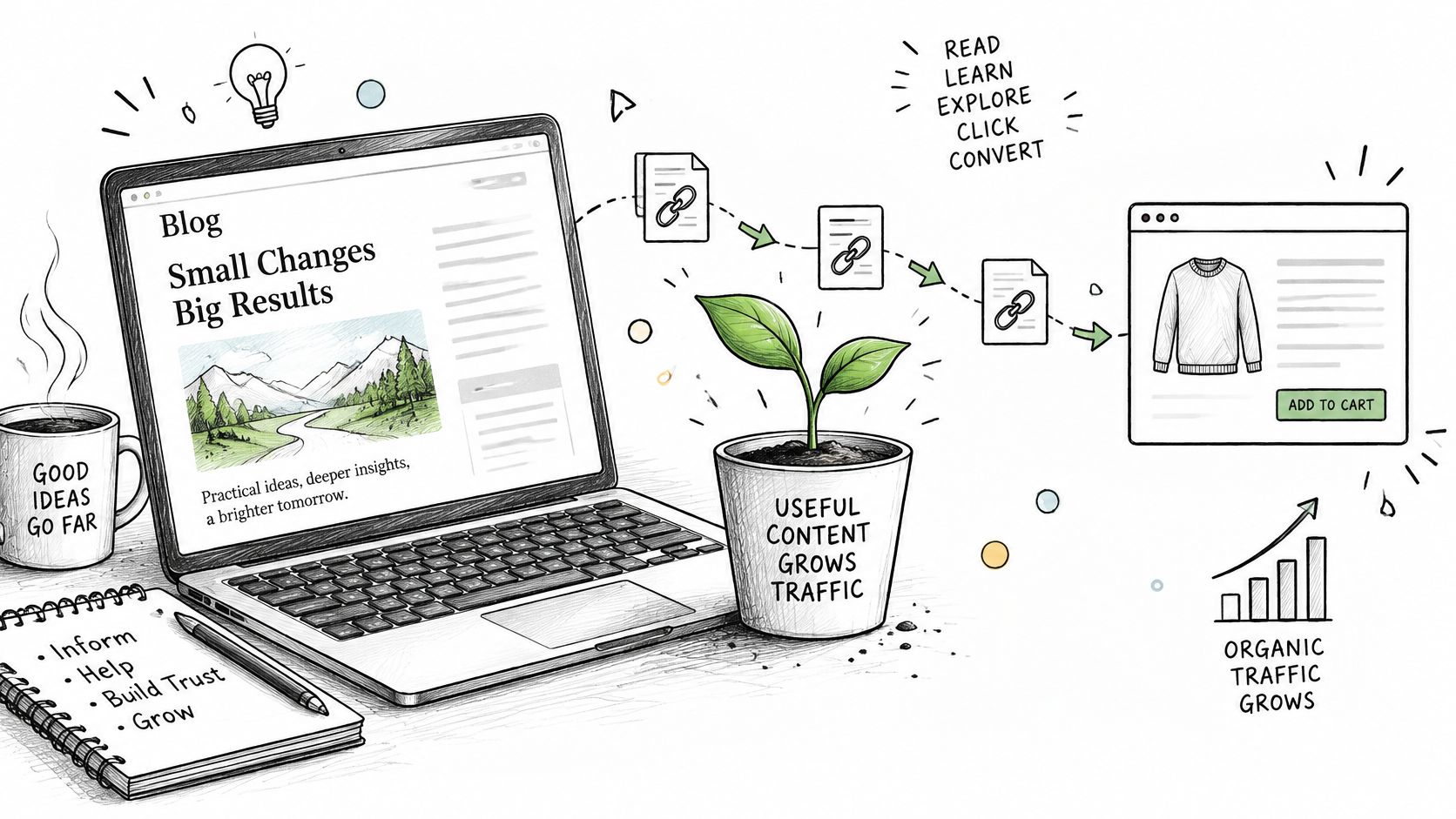
An owned Shopify blog gives you editorial control without paying for a publisher placement. The constraint is that you must earn attention through the question you answer, rather than assuming an audience is waiting.
Consider a store selling coffee equipment. An article explaining the difference between blade and burr grinders can help a reader understand consistency, adjustment, cleaning, and suitability before introducing a grinder from the catalog.
The editorial move is useful search-intent fulfillment. The pitch begins at the recommendation or product link, while the store's authorship should be clear from the outset.
Keep the Article Useful Beyond Your Catalog
Explain the category fairly, including situations where another option makes sense. If someone needs only occasional, uncomplicated grinding, don't pretend they have the same requirements as a reader dialing in espresso.
Place product links beside the relevant explanation. A link on the discussion of adjustment settings is more useful than an unrelated product carousel interrupting the opening.
- Match the query: Answer the informational question before asking readers to browse.
- Show the product working: Use original demonstrations where available.
- Preserve the distinction: Separate category facts, customer opinions, and your recommendation.
For the implementation details, use our guide to optimizing Shopify blog posts for search and sales. Titles, internal links, and a coherent route to the right product matter more than repeatedly inserting a keyword.
For production support, our Blogger SEO AI Blog Agent for Shopify writes and publishes SEO articles with links to a merchant's products. Keep human review focused on accuracy, genuine product differences, and whether the article answers the intended question.
The trade-off is patience and maintenance. Publishing doesn't guarantee rankings, and product recommendations need updating when your catalog changes. A blog also shouldn't become a collection of nearly identical articles that all push the same item.
Best fit: Merchants building an educational content library around recurring customer questions. Use a dedicated pre-sell landing page when you need tighter alignment with a specific paid campaign.
7. Sponsored Review and Comparison Advertorial
A sponsored comparison helps shoppers evaluate alternatives, but only if the criteria mean something outside the sponsor's marketing department. Ranking your product first under a set of conveniently chosen categories isn't useful buyer guidance.
The editorial move is reducing decision effort. Explain who needs each option, what differs, and what the buyer gives up. The pitch begins with the favorable ranking, recommendation, or affiliate shopping link.
The FTC's native-advertising guide for businesses says disclosures should be clear, prominent, close to the advertising, and understandable to consumers. Treat sponsorship disclosure as part of the page design, not text to hide beneath the recommendations.
Compare on Buyer-Relevant Criteria
Say your store sells insulated drinkware. Compare capacity, lid design, cleaning access, replacement parts, and compatibility with the reader's intended use. Don't claim superior temperature retention unless you have appropriate evidence for that comparison.
A credible comparison should distinguish:
- Verified specifications: Facts checked against current product information.
- Observed performance: Results from a described test, only if you conducted it.
- Editorial judgment: Your assessment of which trade-offs suit which buyer.
- Commercial relationships: Who funded the content or benefits from a purchase.
Don't invent ownership, testing, customer ratings, or a review panel. If the article is a specification-based comparison, identify it as such.
Our explanation of how websites make money gives useful context for the commercial relationships behind sponsored and affiliate content. Readers shouldn't need to investigate your business model to understand why a product appears.
Best fit: Shoppers who understand the category but need help choosing. It's a poor fit when you can't verify competitor details or acknowledge a situation in which another product is preferable.
The tactic to copy is a clear best-for recommendation with a genuine limitation. That helps a buyer decide; an unexplained winner badge doesn't.
How each advertorial format compares on goal, audience stage, disclosure, and main trade-off
| Item | Primary Goal | Best Audience Stage | Disclosure Requirement | Main Trade-off |
|---|---|---|---|---|
| Landra | Generate and publish editable pre-sell pages quickly | Cold paid-social visitors | Label promotional content appropriately; check claims for compliance | Fast, lower-cost production, but drafts need review and editing |
| Long-Copy Print Advertorial | Educate and persuade through detailed storytelling | Readers considering a complex purchase | Clearly mark as an advertisement or sponsored content | Builds trust and explains well, but costs more and is harder to measure |
| Native Sponsored Article on Publisher Sites | Reach a trusted publisher audience with useful branded content | Awareness to consideration | Clearly label as sponsored or paid content | Borrows publisher credibility, but premium placements can be costly |
| Branded Storytelling Series | Build brand affinity through an ongoing narrative | Early awareness and long-term engagement | Disclose brand involvement clearly | Can earn attention over time, but requires significant production and planning |
| Problem-Solution Pre-Sell Page | Warm visitors by framing a problem and presenting a product solution | Cold traffic before the product page | Substantiate claims and disclose promotional content where required | Can improve relevance, but exaggerated claims risk trust and policy issues |
| Shopify Blog Advertorial | Attract organic search traffic and guide readers to products | Research and consideration | Disclose paid or partner content when applicable | Supports SEO over time, but results are slower and require ongoing content |
| Sponsored Review and Comparison Advertorial | Help buyers compare options and feature a sponsored product | High-intent evaluation | Clearly disclose paid relationships near the top | Captures purchase intent, but perceived bias can undermine trust |
Turning These Advertorial Examples Into Your Next Store Post
Choose the format according to the question preventing the purchase. A reader discovering a problem needs explanation. Someone comparing products needs decision criteria. A returning shopper who already understands your offer may need neither, just a clear route to buy.
Start with a customer question from support messages, reviews, or product inquiries. Draft the editorial opening before introducing a product, then mark the exact sentence where you switch from explaining the category to recommending your offer.
That sentence is your pitch point. It deserves its own test.
Turn the Draft Into a Measurable Test
Give the page a specific job. A publisher feature might introduce a relevant audience to the brand, while a pre-sell page might prepare paid visitors to assess a product. Judging both against one immediate-click target hides which format works.
- Make authorship clear: Identify brand-authored content and disclose paid relationships prominently.
- Check every claim: Keep specifications, testimonials, and comparisons traceable to evidence.
- Connect the next step: Link to the product or collection that directly continues the explanation.
- Move the pitch point if it stalls: If readers stop at the recommendation, try placing it earlier or later before rewriting the whole page.
Clear disclosure does not have to hurt response: FTC-linked mobile-search experiments found no statistically significant difference in restaurant calls between typical and more prominent disclosure formats, which supports the labeling approach covered in the sponsored review section.
Measure whether readers understand the offer and take a worthwhile next step. A click earned through confusion isn't a sound optimization target.
Here is a diagnosis worth copying. A post draws steady search traffic, readers reach the bottom, and almost nobody clicks the product link. Check the transition first: does the final editorial paragraph resolve the question, or does it stop mid-explanation and jump to a buy button? A reader who finishes without learning which product fits their case has no reason to click. Rewrite the pitch point so the recommendation answers the original question directly, then measure again before touching the headline or the layout.
The strongest advertorial examples are not templates to imitate word for word. They demonstrate how to answer a real question, support a recommendation, and make the commercial next step understandable. For related reading, Yassine Malti writes about Shopify SEO, product content, and automation on the blog.
Shopify apps by Yassine Malti
Put this into practice
-

Blogger · SEO blog posts
An AI blog agent that writes and publishes for you · 50 credits/month free
-

Describer · Product descriptions
Product descriptions written from your own product data · Free: 50 descriptions/month
-

LLMs TXT · llms.txt for AI tools
A short llms.txt of your real store links · Free